
Edge Bonding
Subtle enhancement. Seamless perfection.
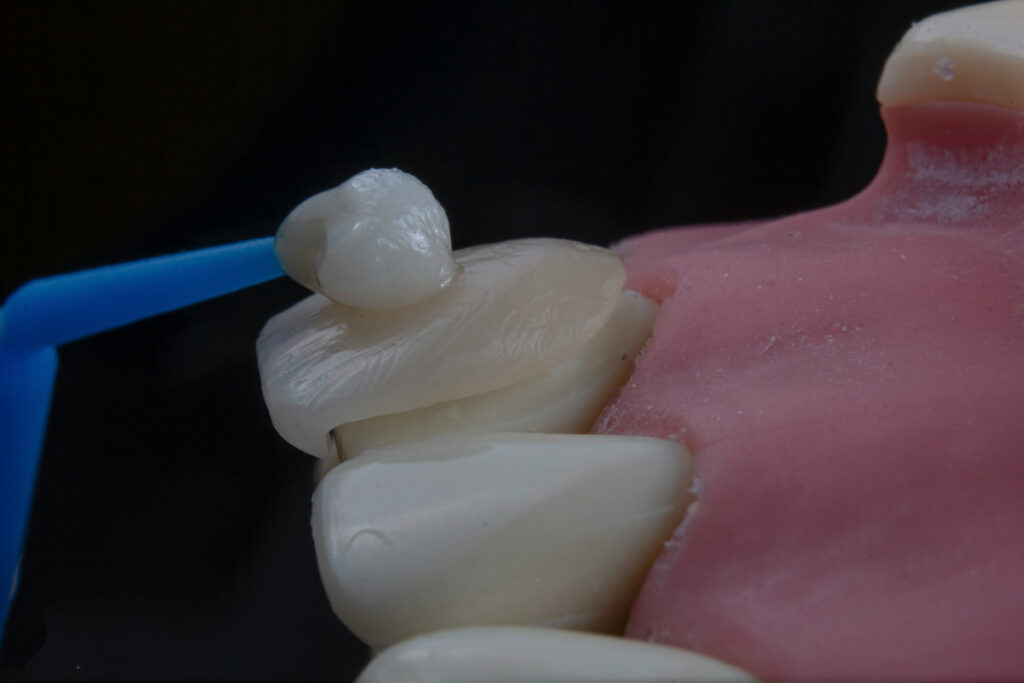
Edge bonding, often simply called bonding, is a minimally invasive cosmetic treatment that uses tooth-coloured composite resin to refine the shape, length, or edges of your teeth. In most cases, bonding and edge bonding refer to the same procedure, as the resin typically covers the bottom 30–40% of the tooth to enhance symmetry, close small gaps, or rebuild worn edges.
Edge bonding offers a refined way to elevate a smile with precision and grace. It is designed for those who appreciate subtlety and want the smallest details improved without changing the natural essence of their teeth. Instead of dramatic reconstruction, this treatment focuses on gentle refinement. Shape is balanced. Edges feel smoother. Proportions appear harmonious. The final result looks fresh and polished, yet still authentically yours.
It’s ideal for patients who love their natural smile but want small, precise refinements, the finishing touch that elevates a smile from great to exceptional.
At Altura, this treatment feels calm and personal. You settle in, supported by quiet comfort and thoughtful guidance. Your dentist shapes each contour with care so you feel involved in the transformation and assured at every stage. The experience is uplifting. Comfort is central. The outcome is elegant and understated.
What Edge Bonding Offers
Edge bonding uses composite resin to refine tooth shape and rebuild worn or uneven enamel. It can lift a smile that already has a strong foundation and simply needs enhanced symmetry or a more balanced finish. That might include smoothing edges, softening corners, closing tiny gaps, or restoring structure lost through wear. The approach protects your natural tooth and honours the features that already make your smile unique.
It is especially suited to those who value natural results and want to step into their day with quiet comfort rather than a dramatic reveal.
Benefits of Edge Bonding
1. Minimally Invasive
Bonding requires either no drilling or very minimal enamel removal. The resin is gently applied directly to the tooth surface, preserving 100% of your natural structure.
2. Subtle and Natural Aesthetic
Composite resin is colour-matched to your teeth and hand-shaped by your dentist to blend seamlessly, creating a natural, undetectable enhancement.
3. Instant Results
Treatment is completed in a single appointment, meaning you walk out with an immediately improved smile.
4. Repair and Refresh Flexibility
If chipped or worn, bonded areas can be easily repaired or polished, making it one of the most versatile and maintainable cosmetic options.
5. Affordable Refinement
Edge bonding delivers beautiful, refined results at a reduced cost compared to that of porcelain or full composite veneers.
6. Versatile Smile Enhancement
Perfect for repairing chips, reshaping uneven edges, closing small gaps, and balancing tooth proportions — while maintaining a natural overall look.
Smile Makeovers
See how we’ve helped patients regain their confidence through personalised, high-quality treatment outcomes.
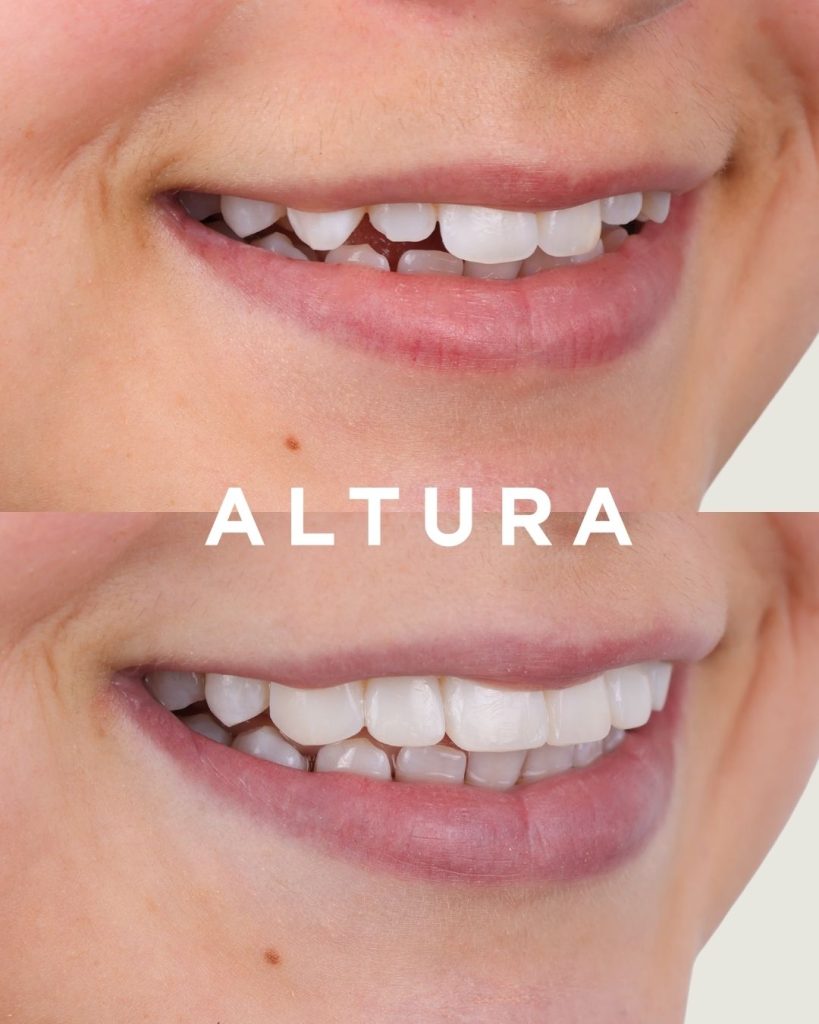
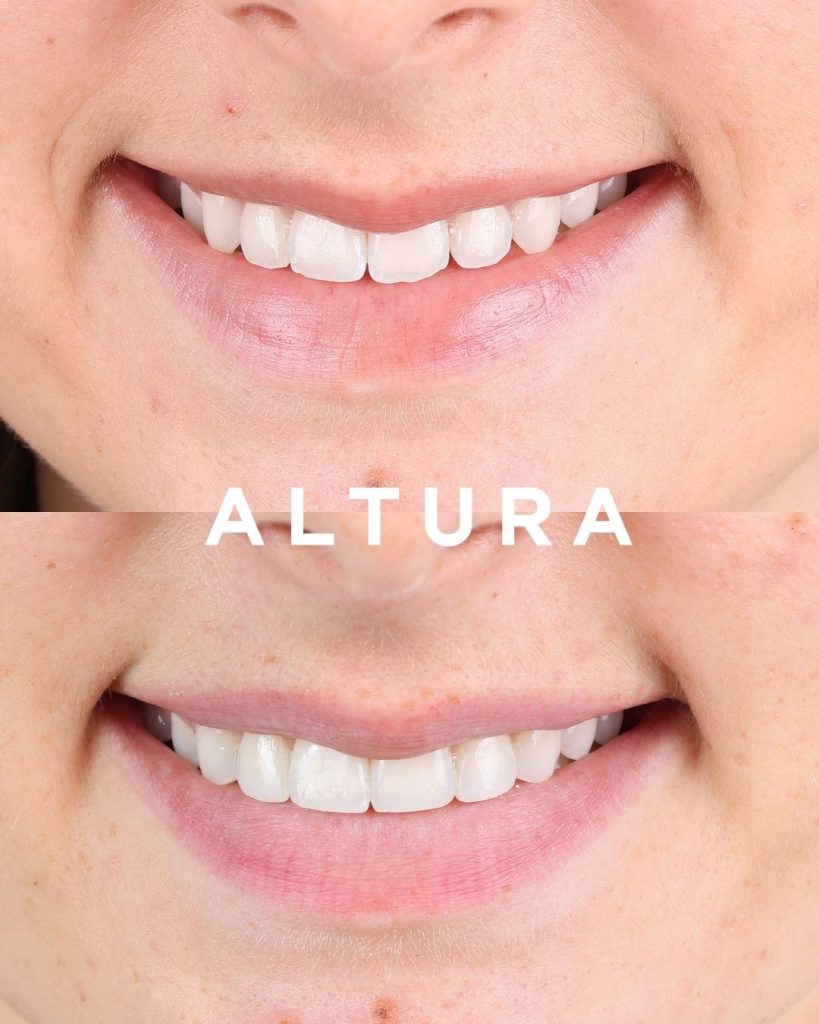
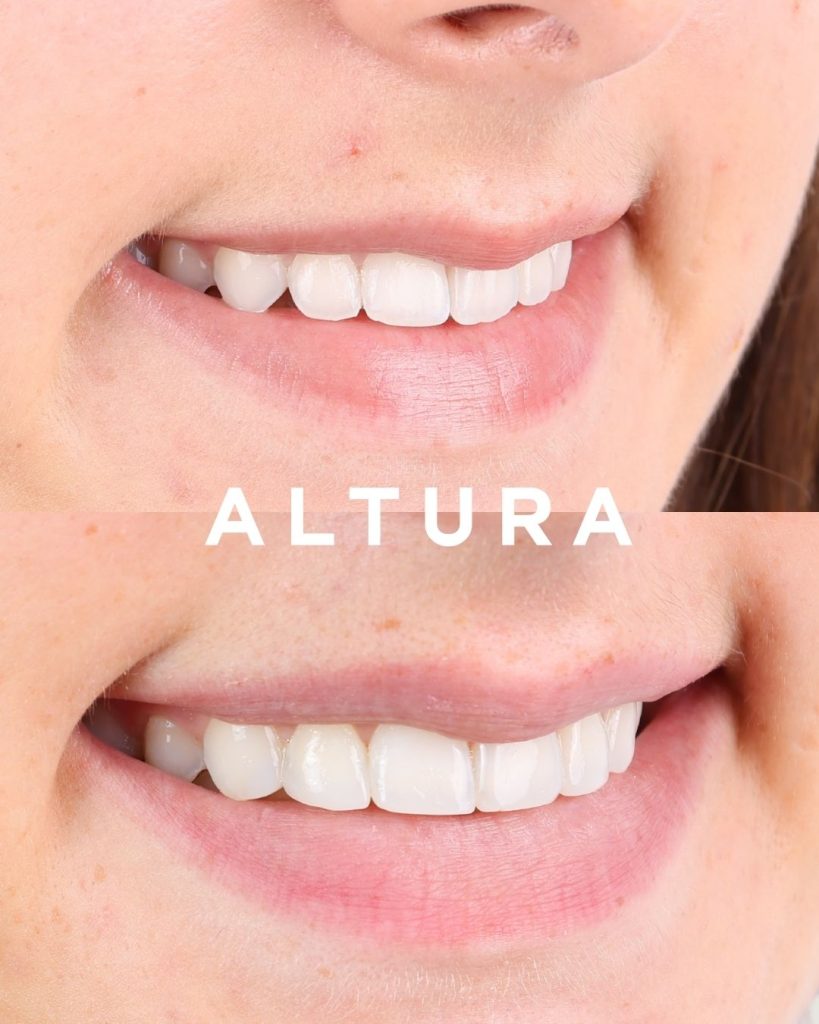
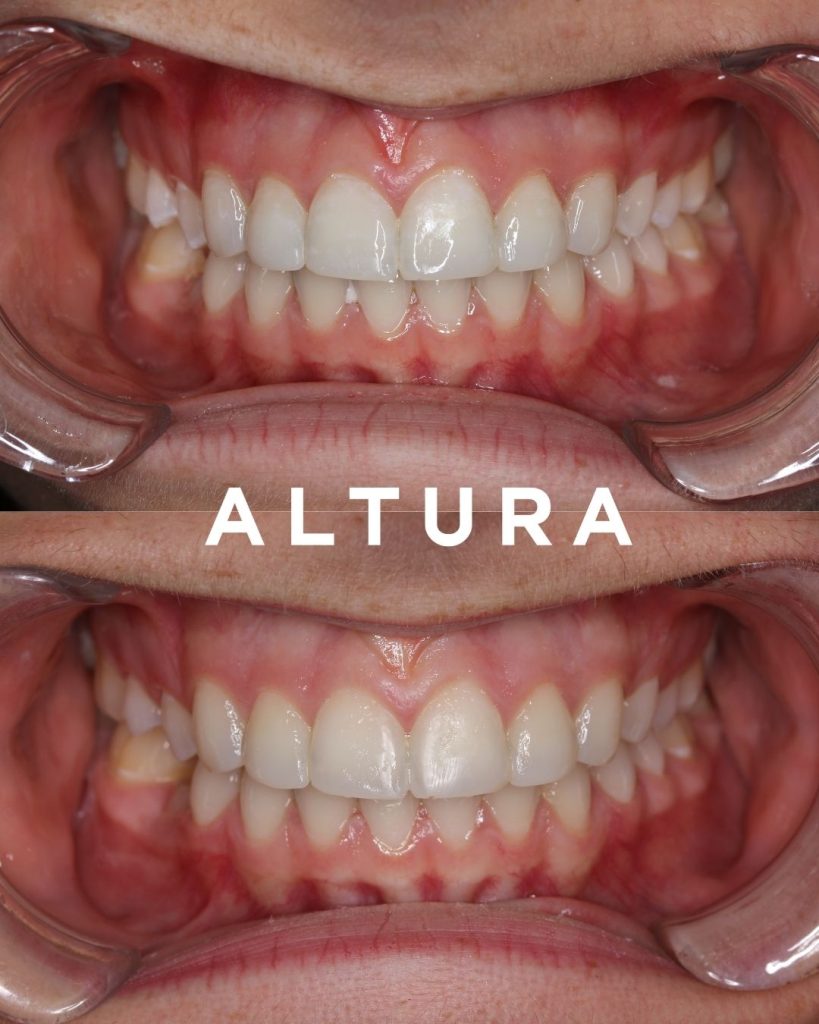
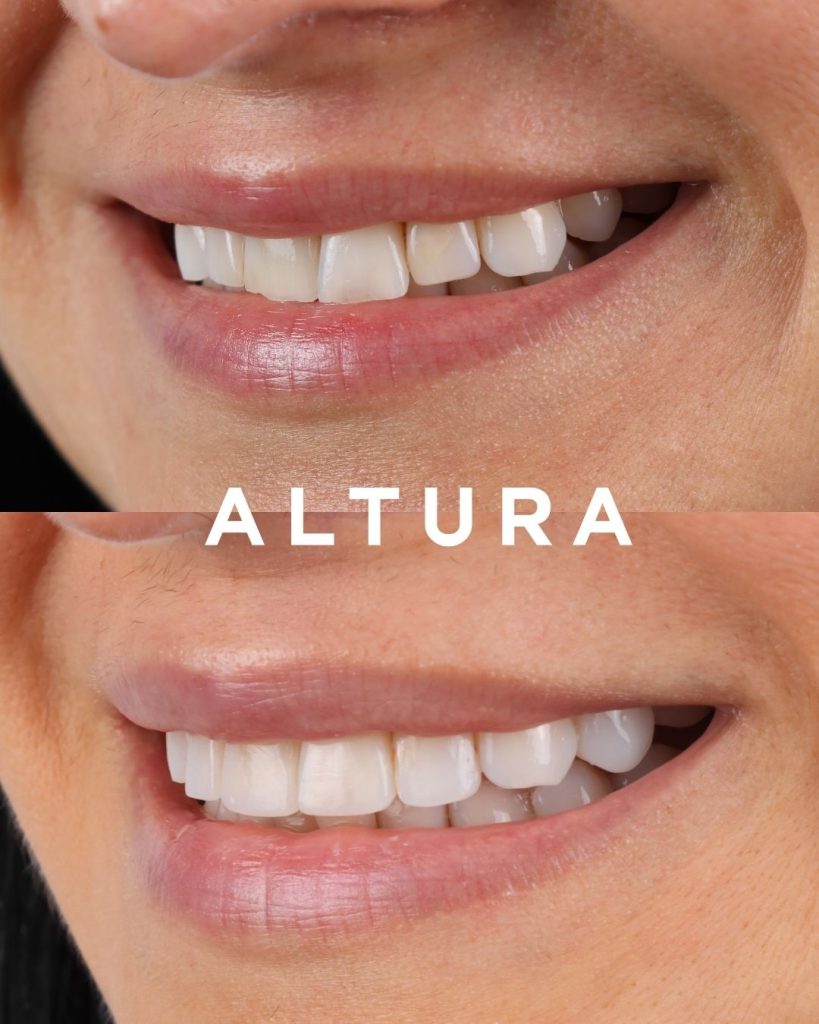
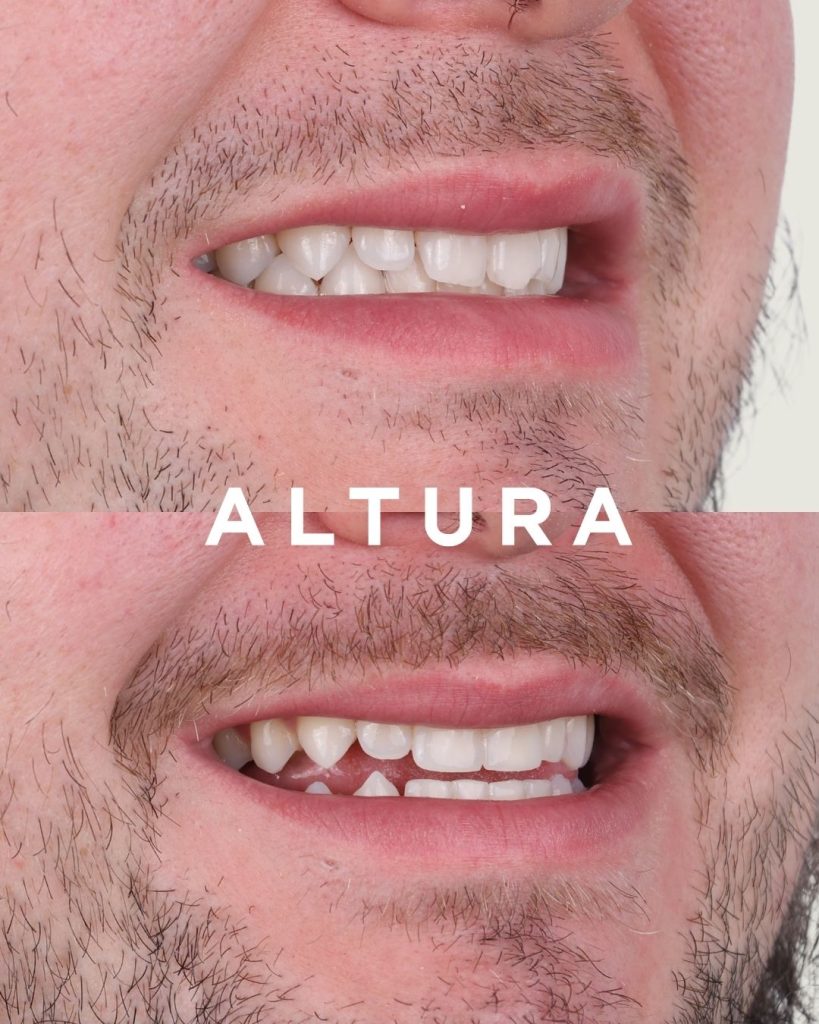
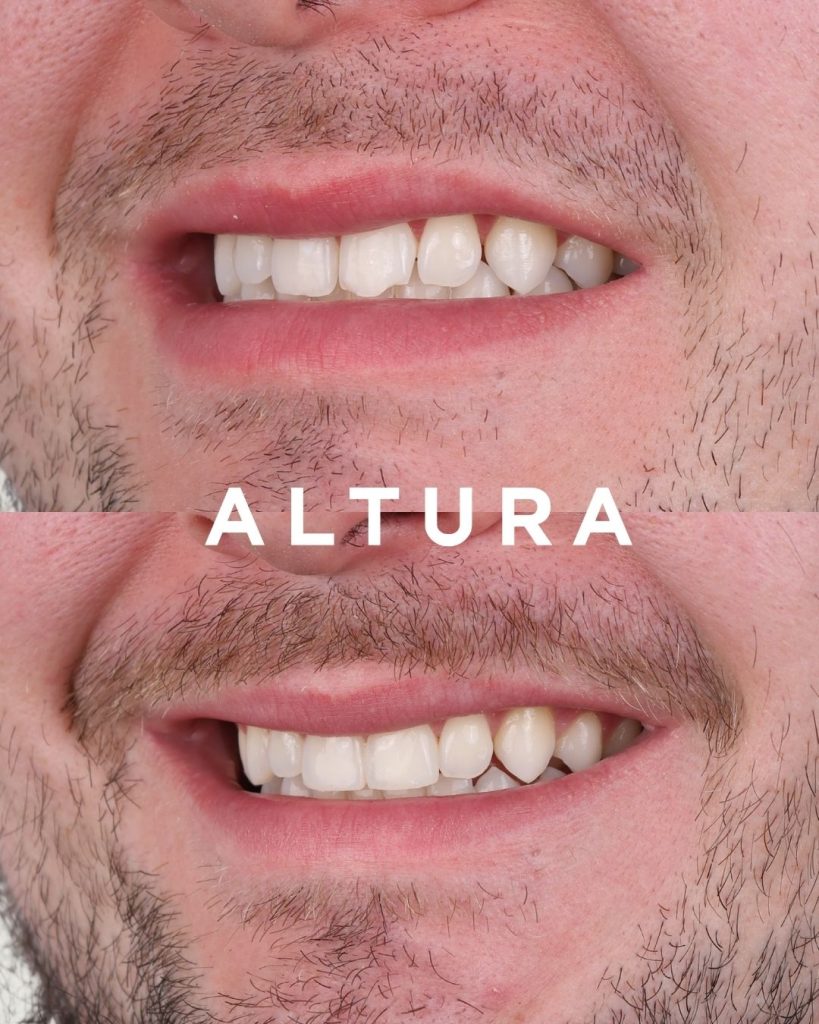
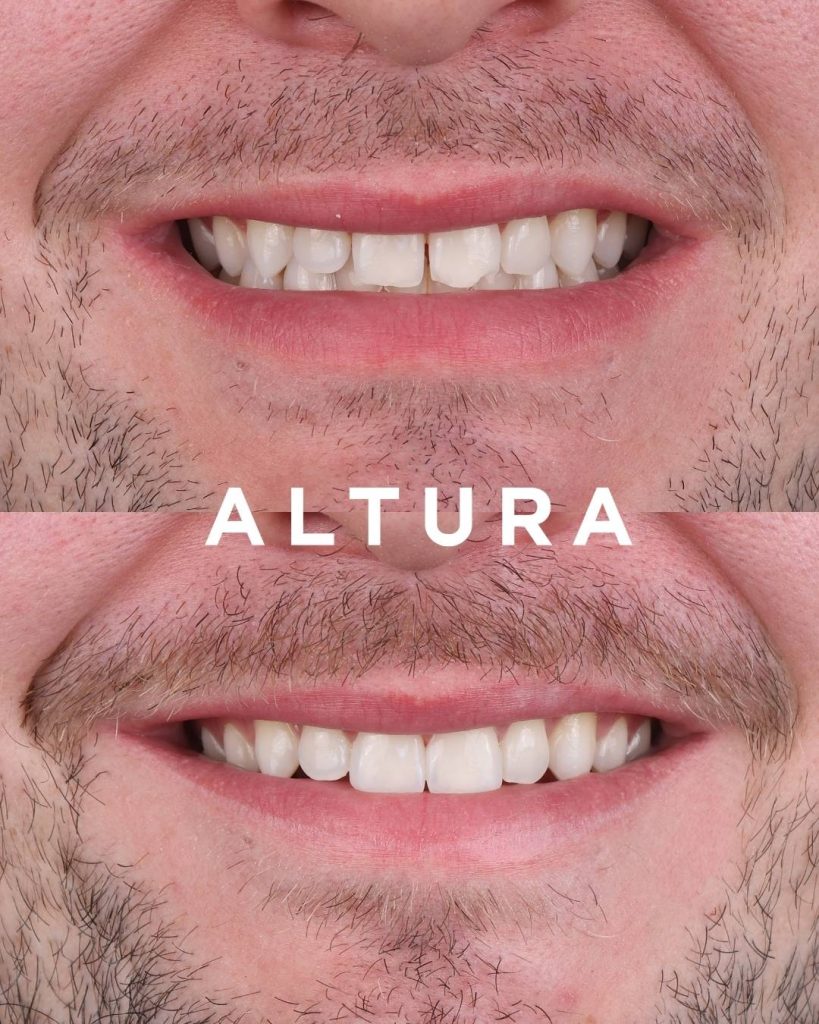
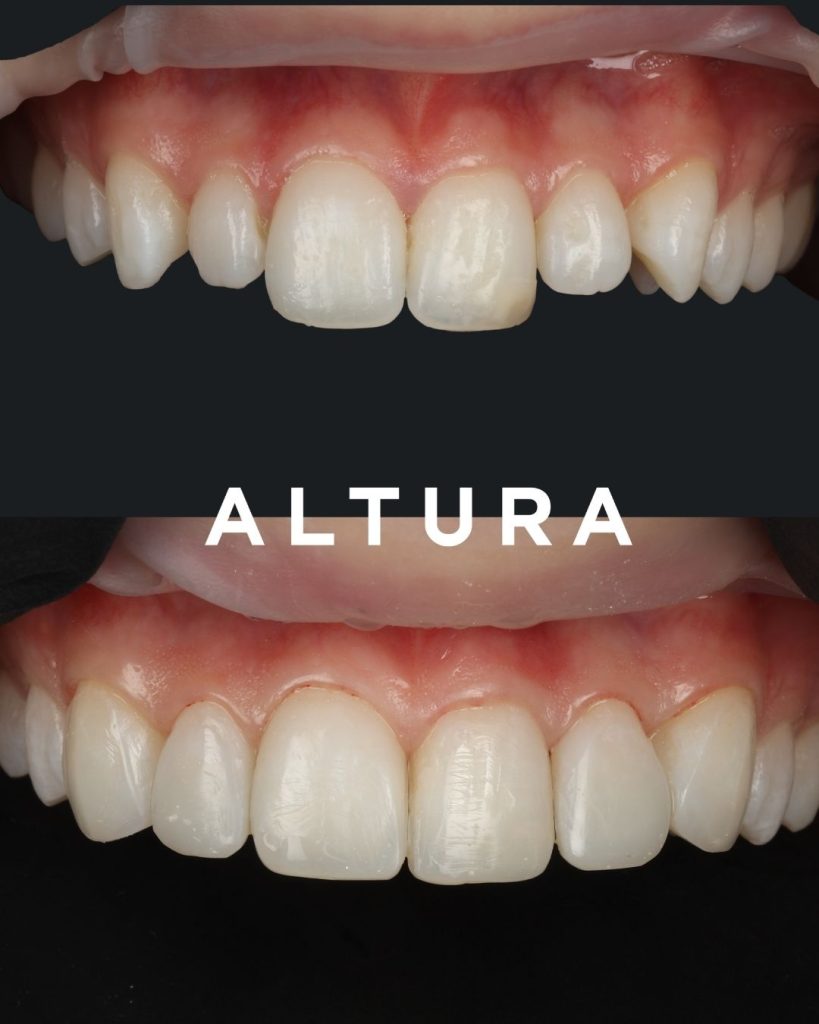
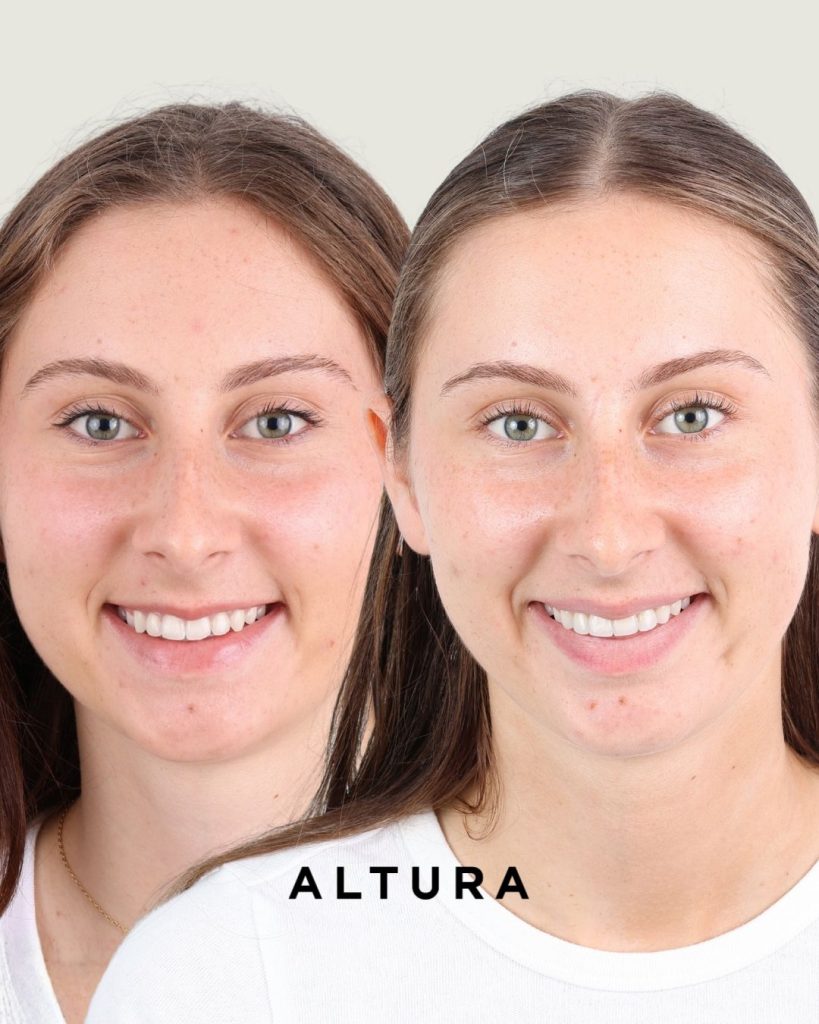
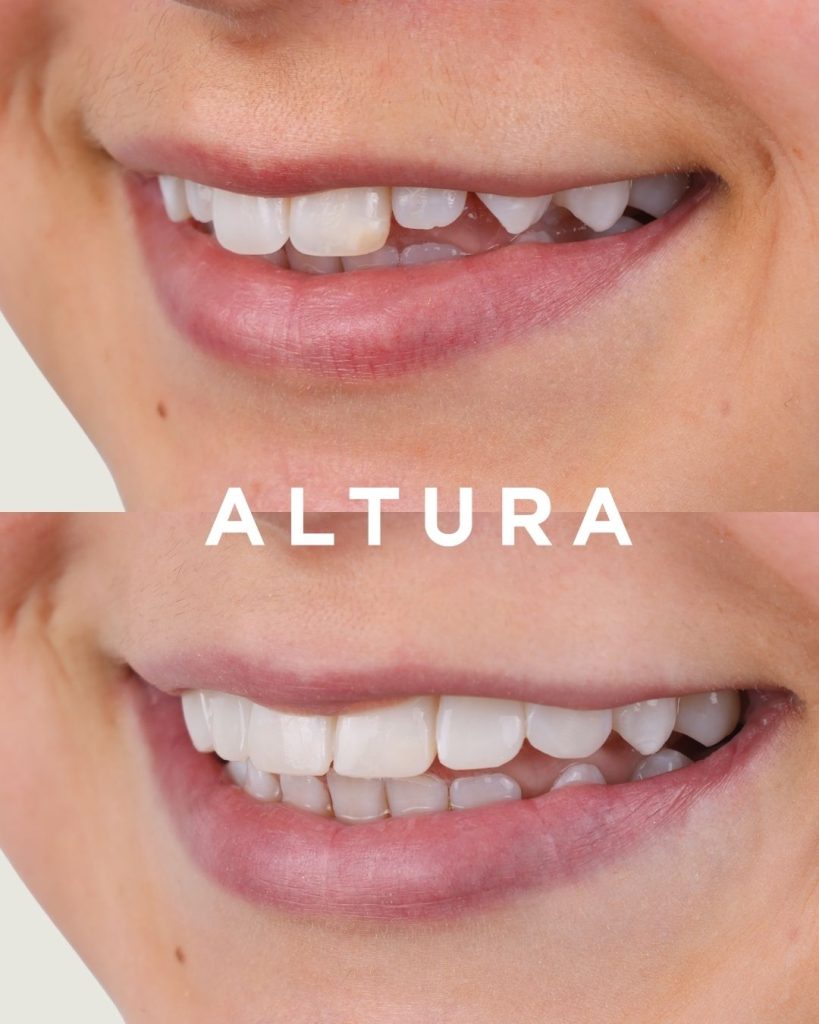
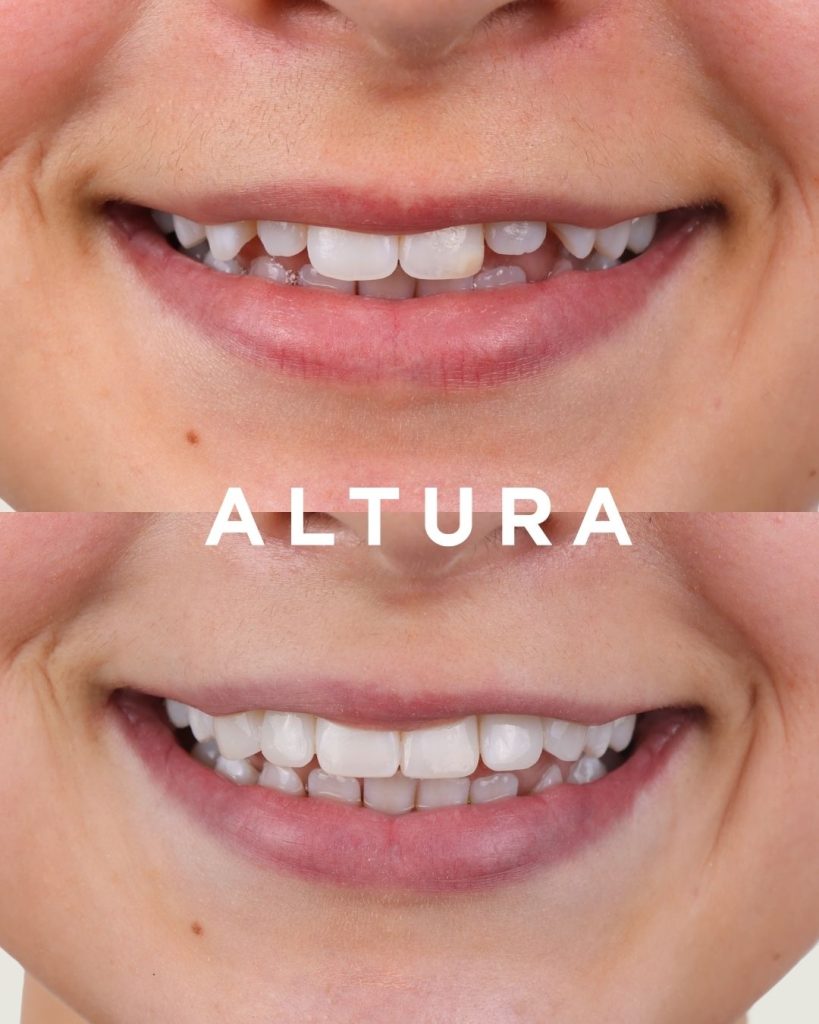
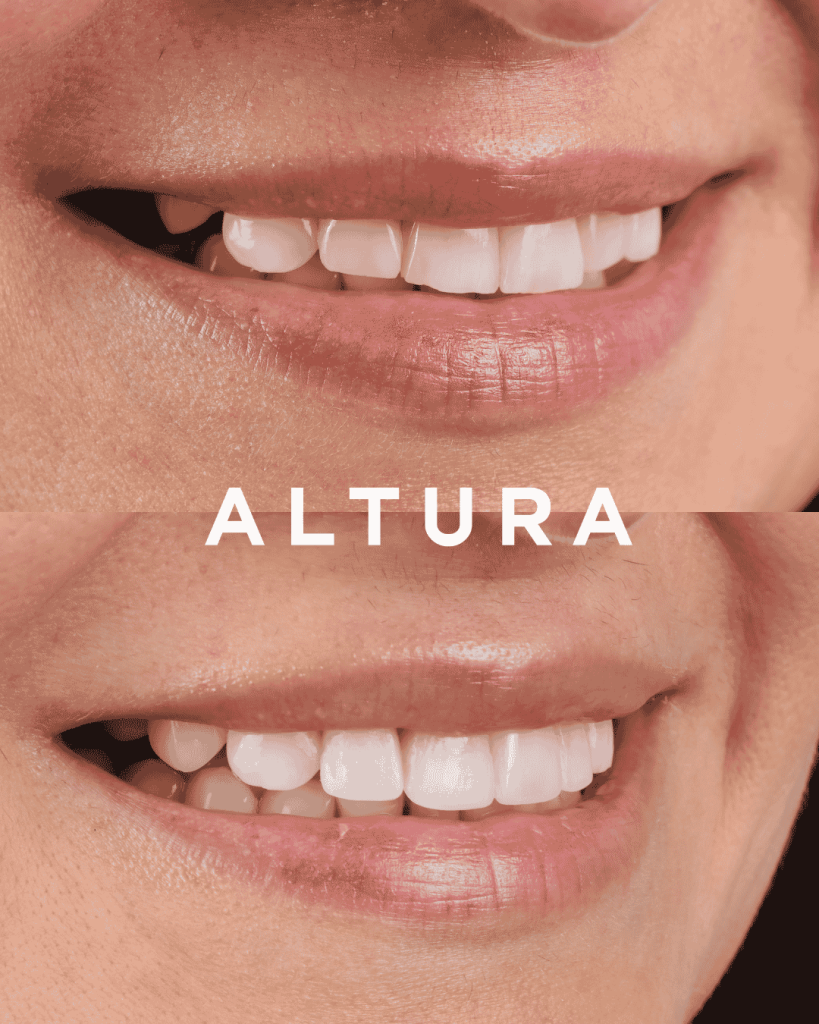
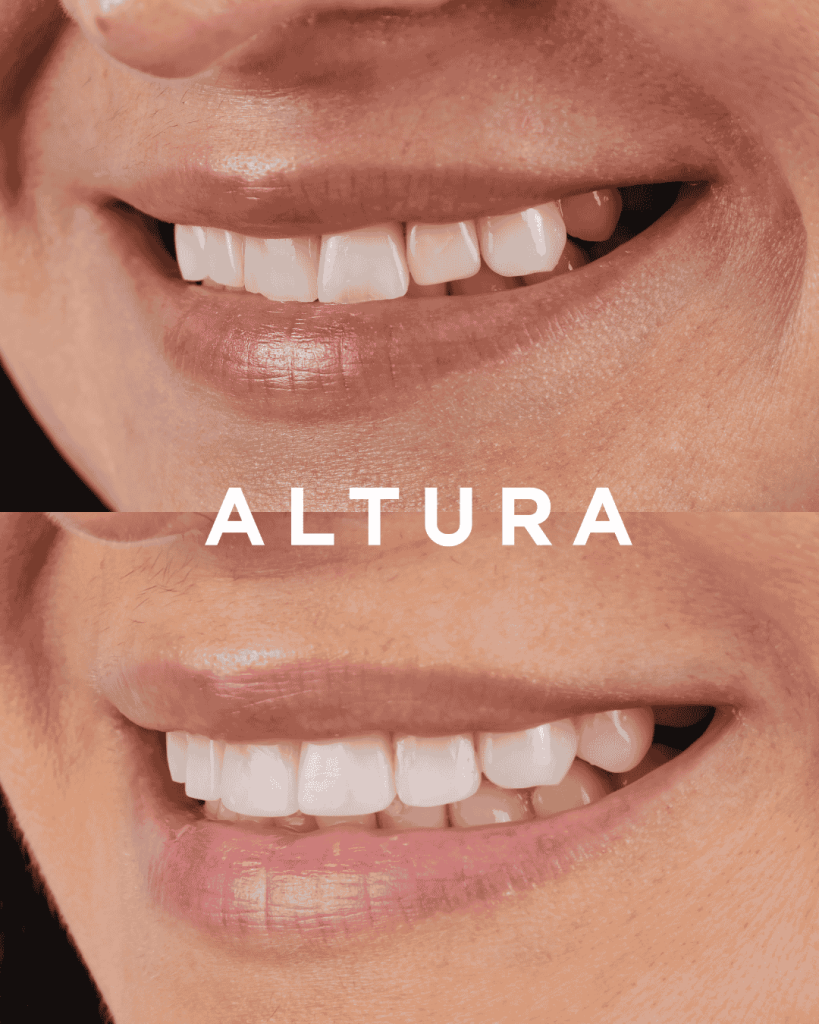
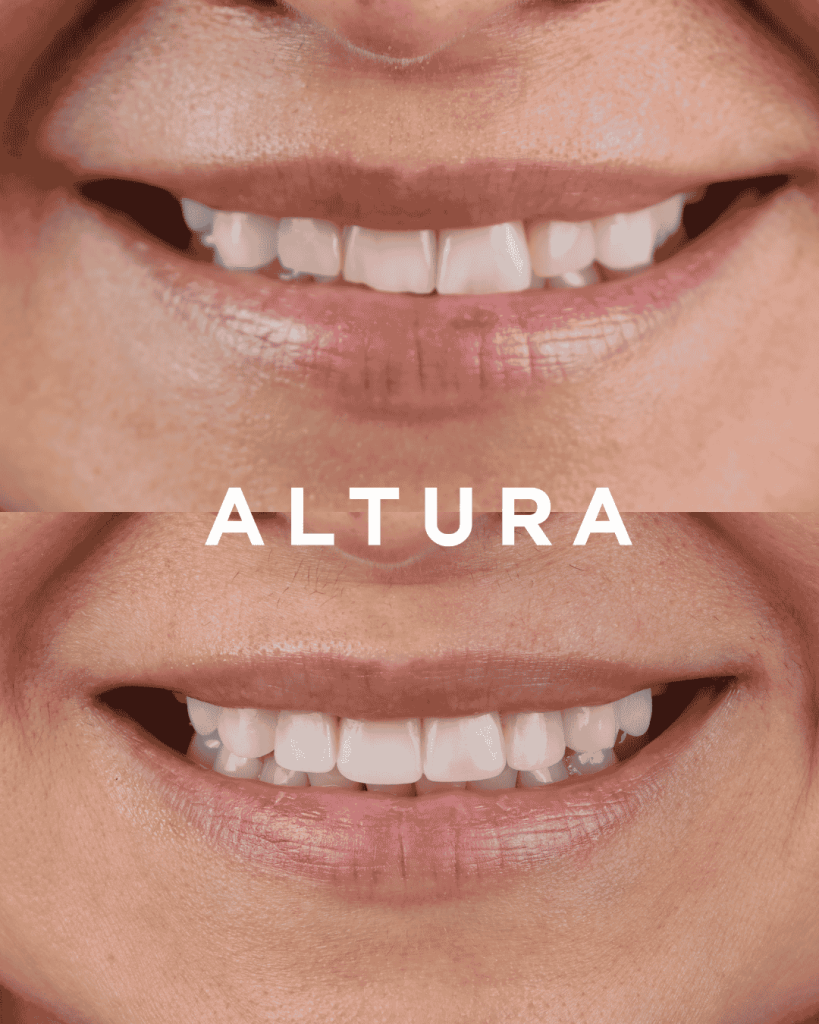
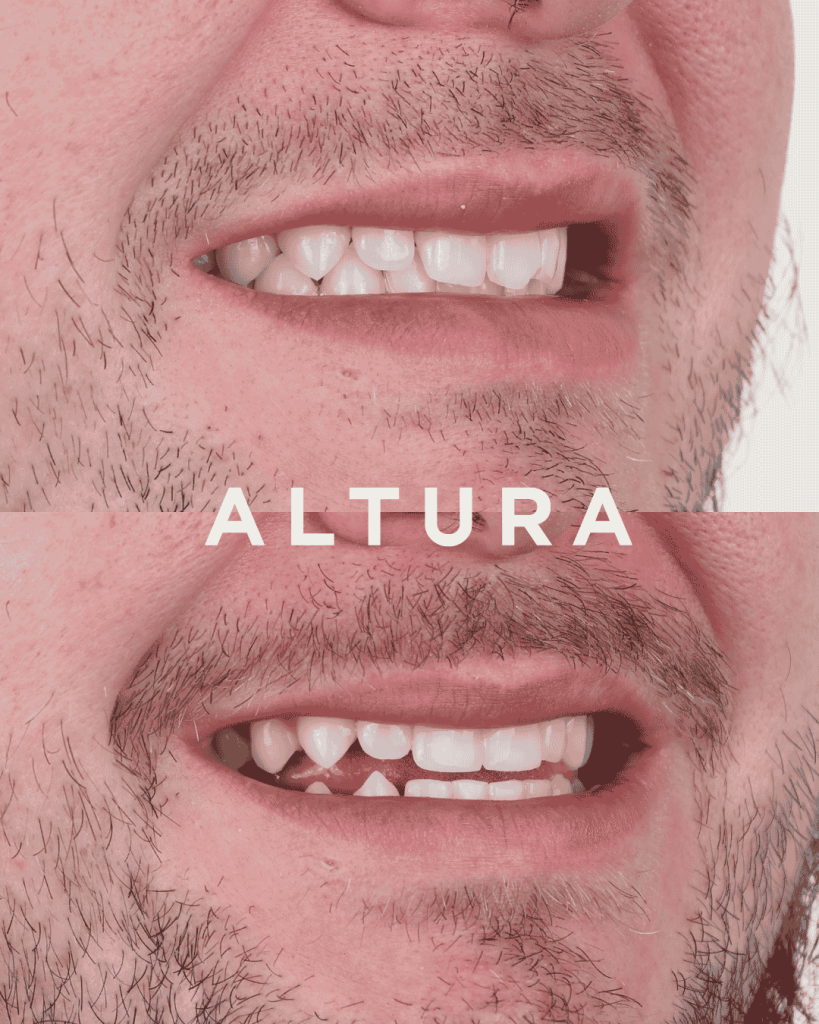
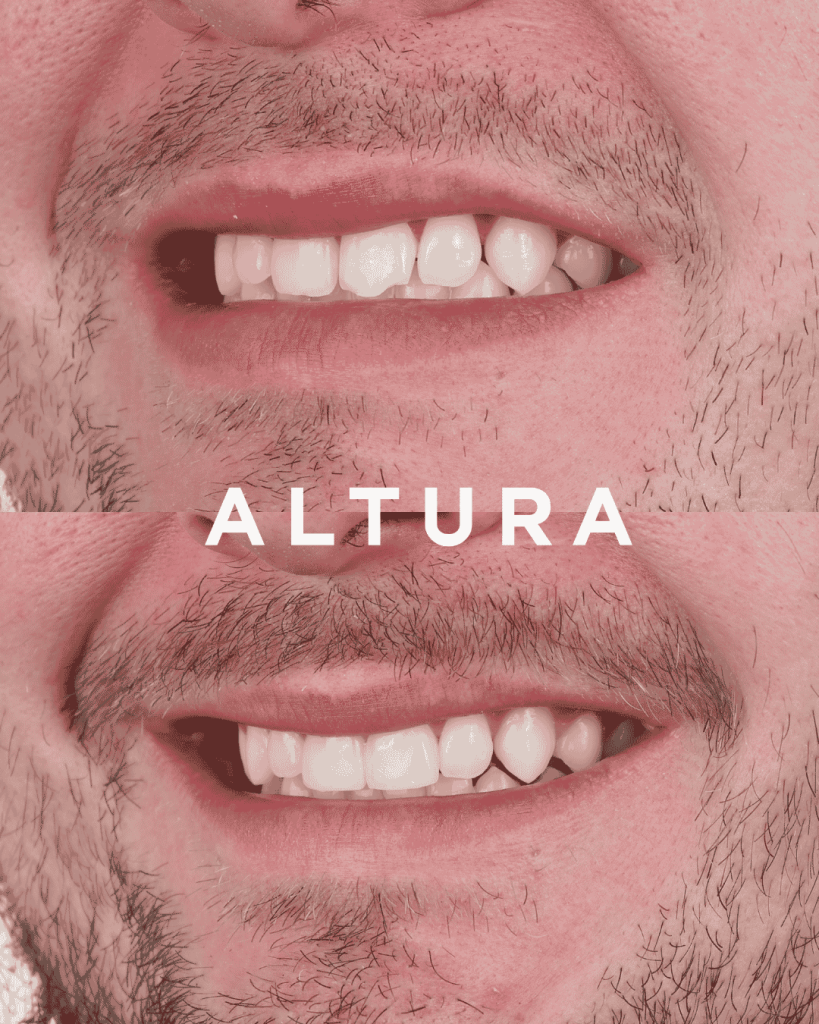
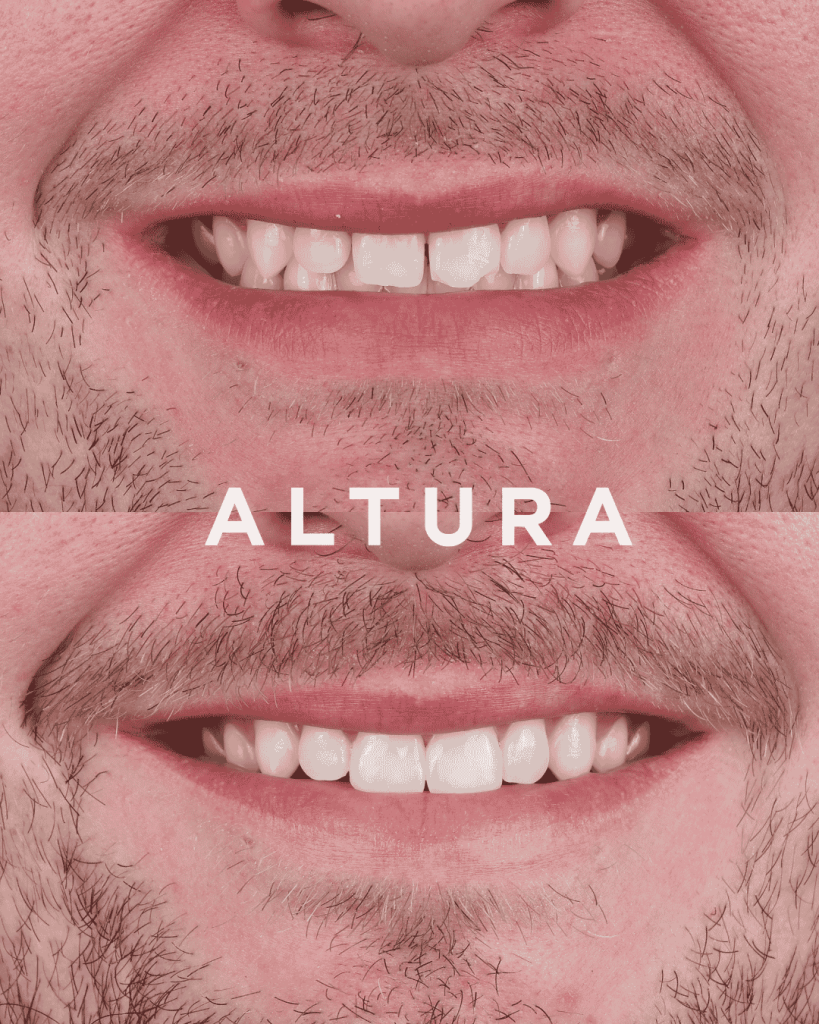
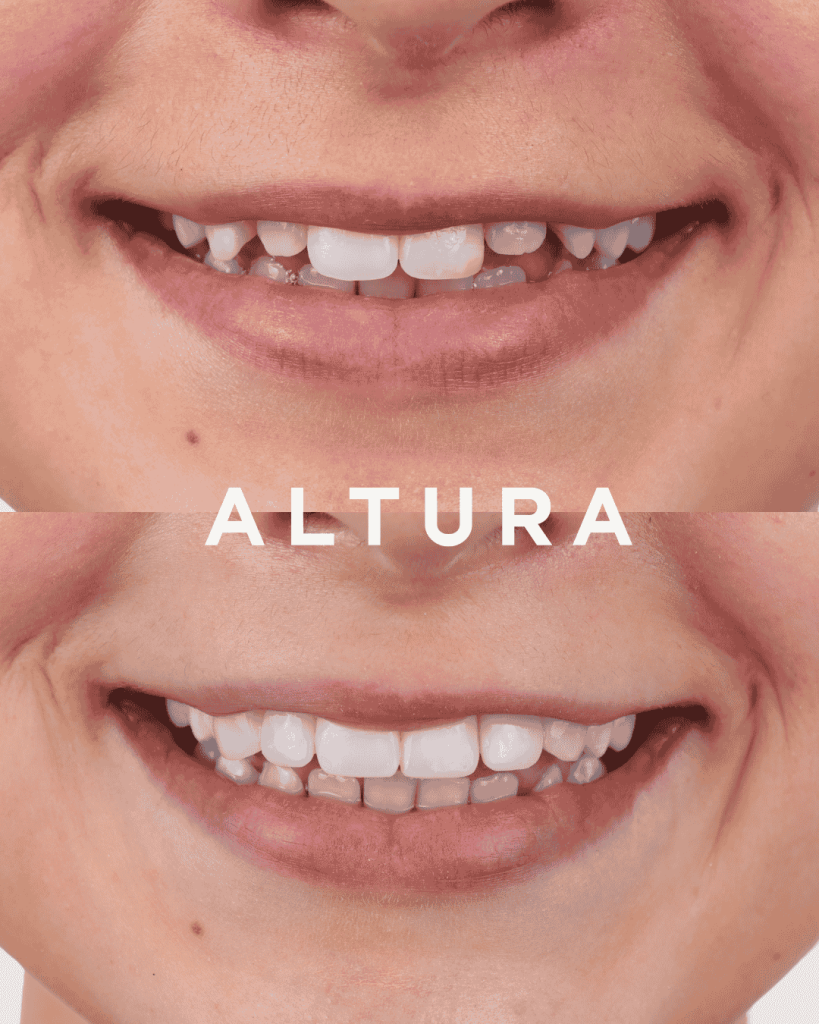
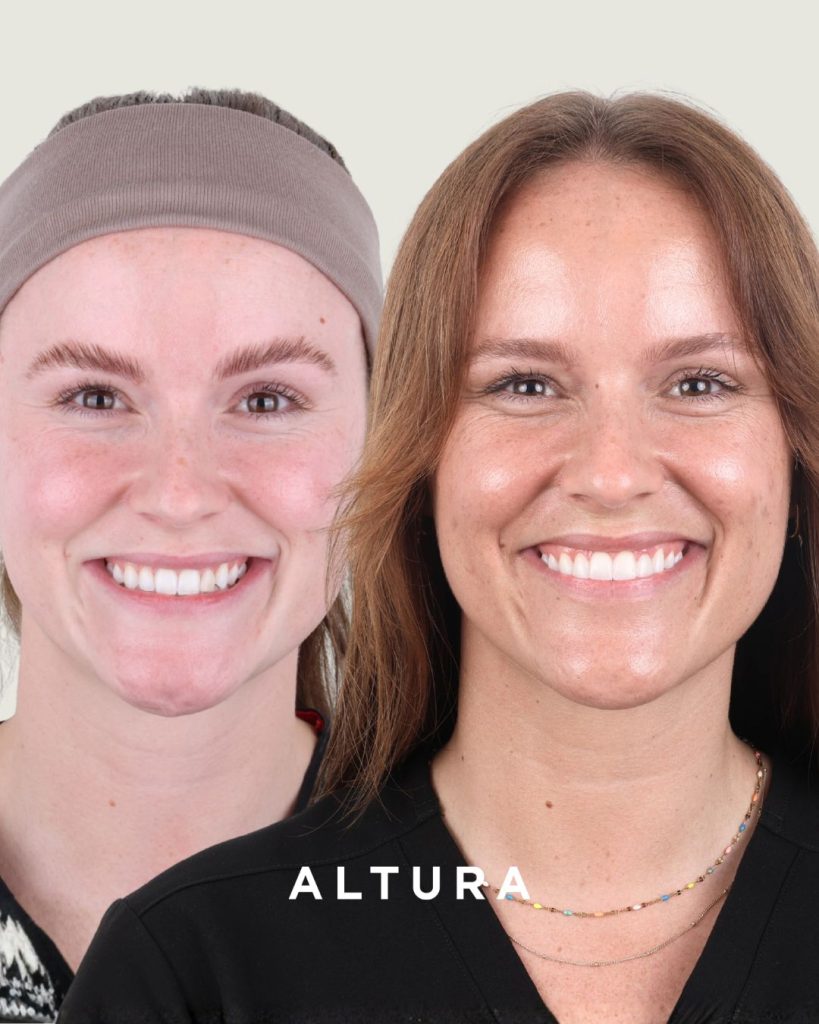
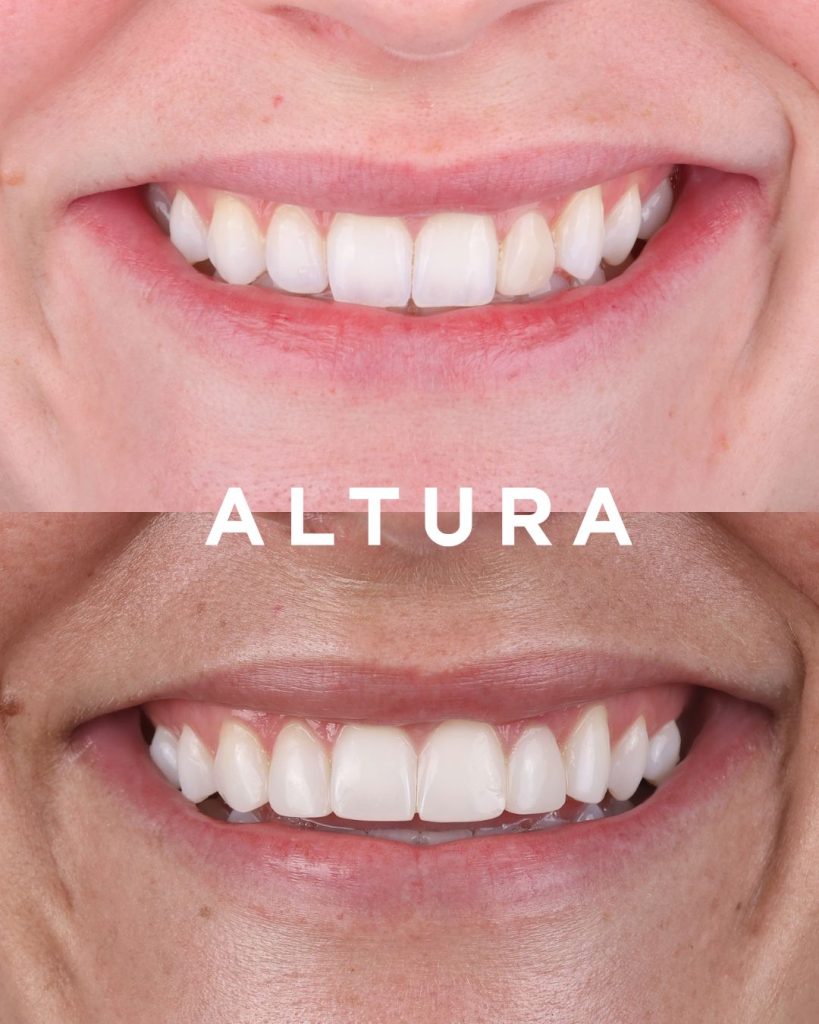
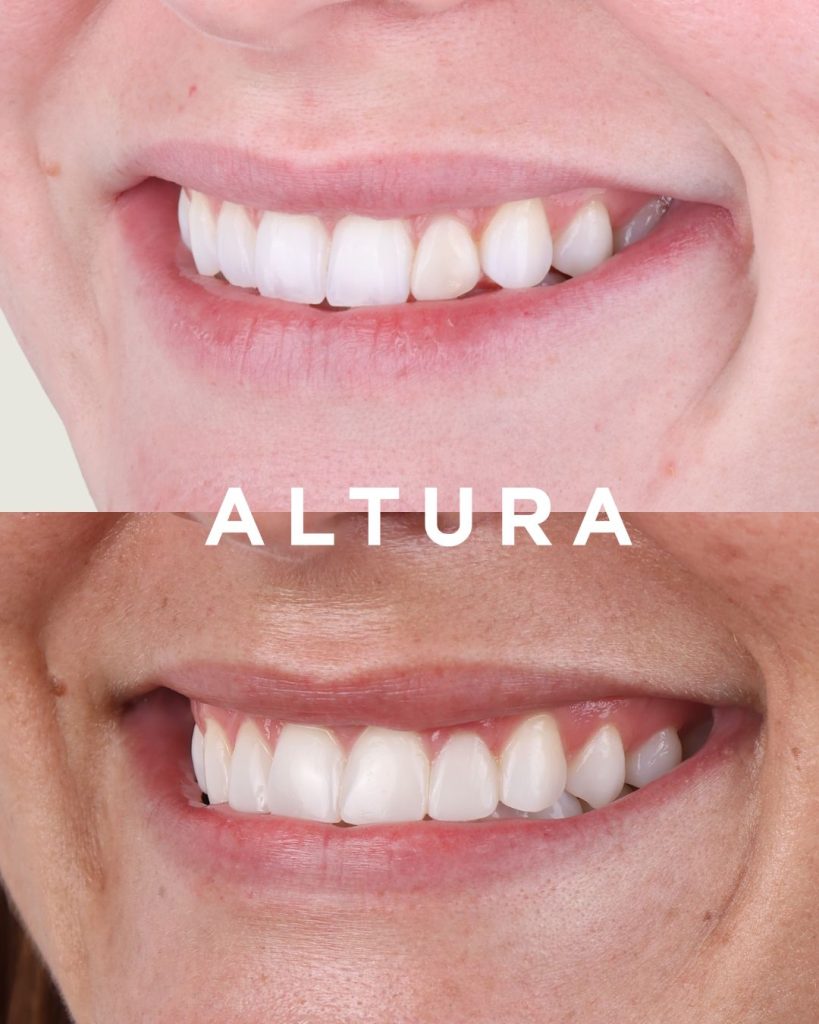
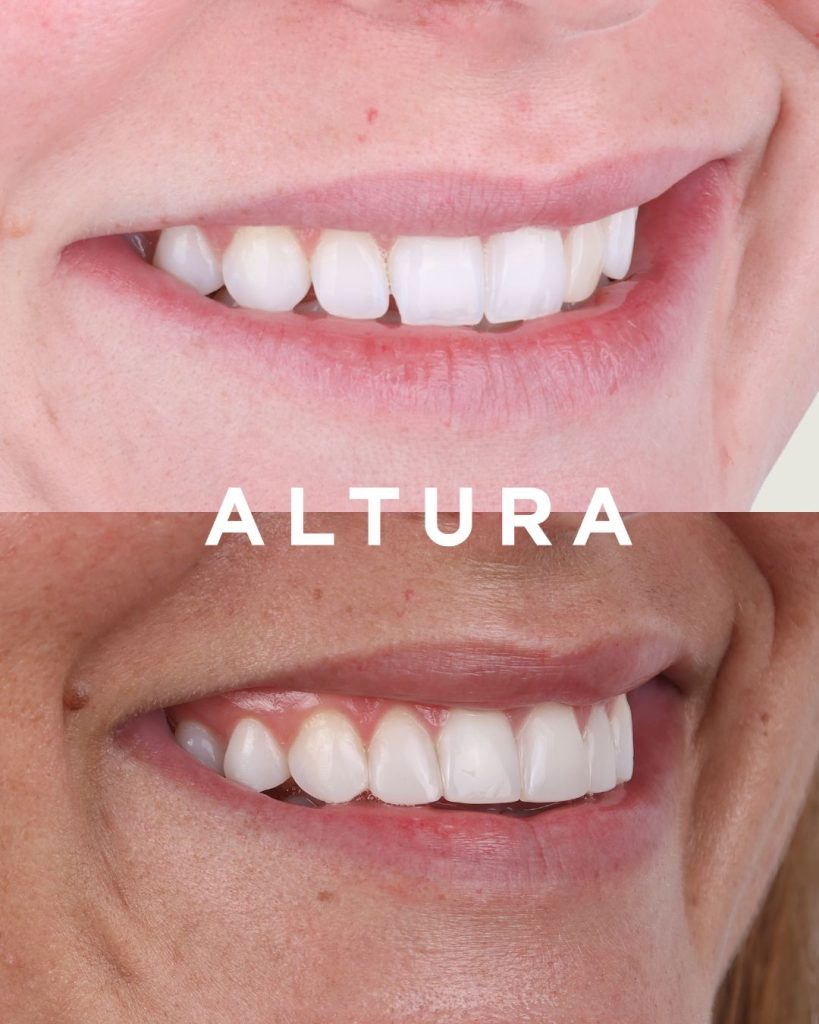
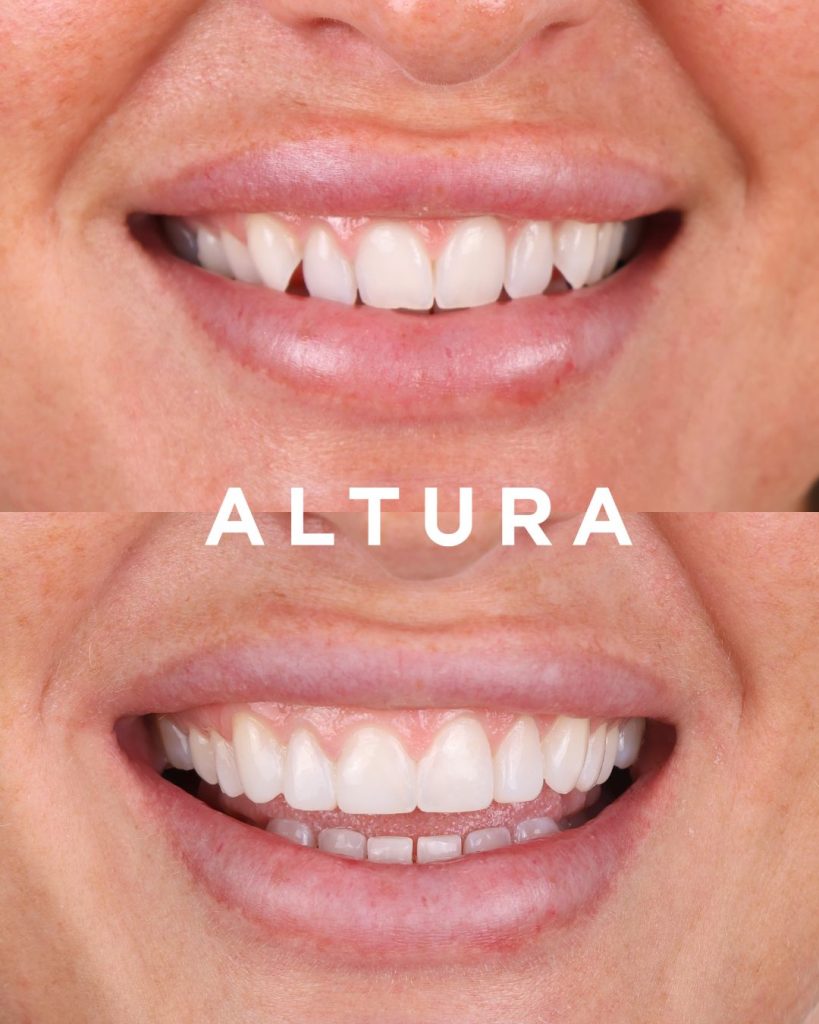
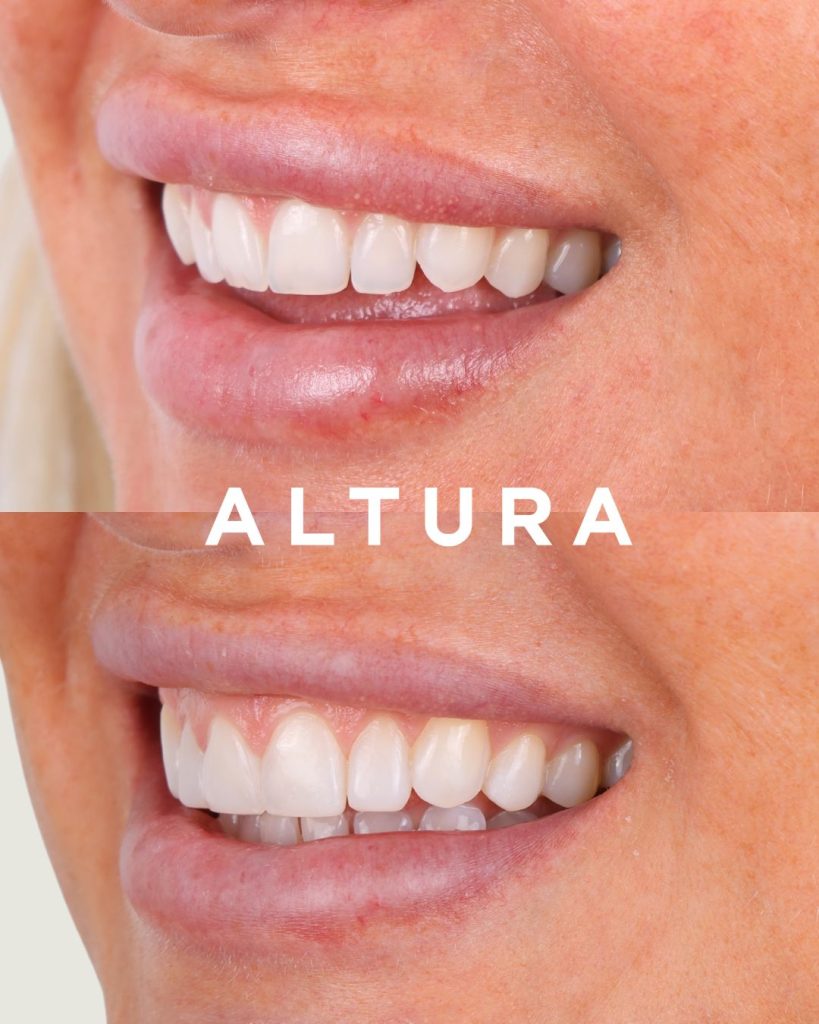
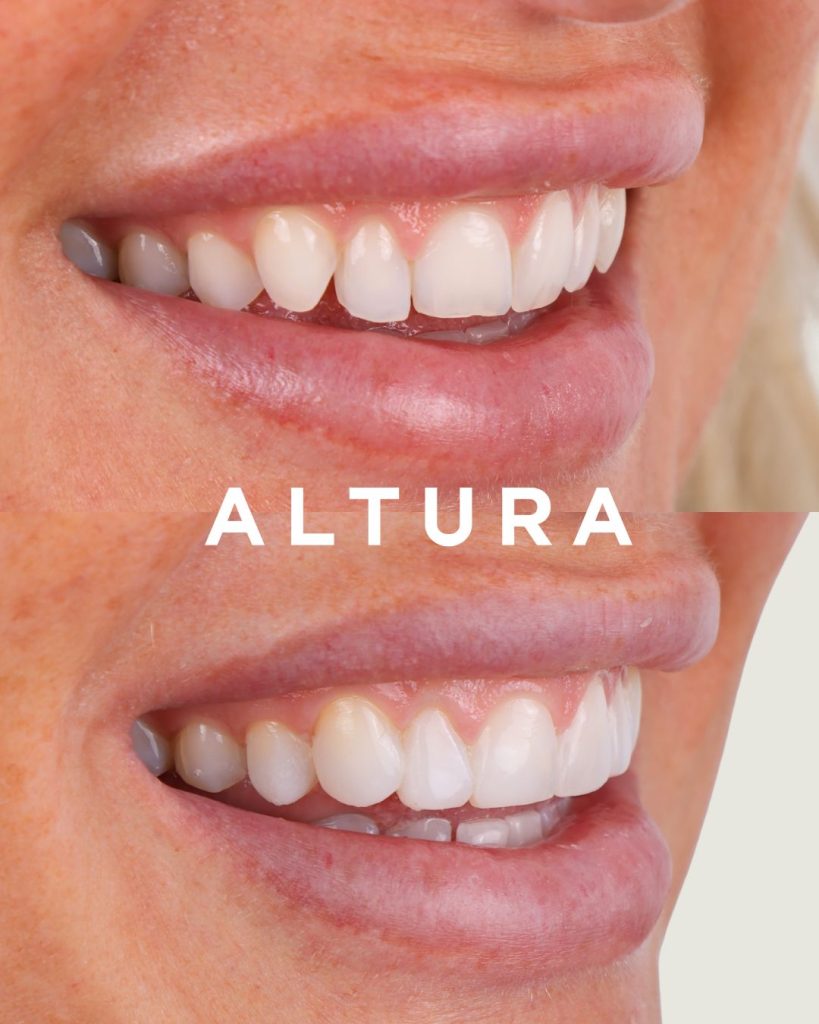
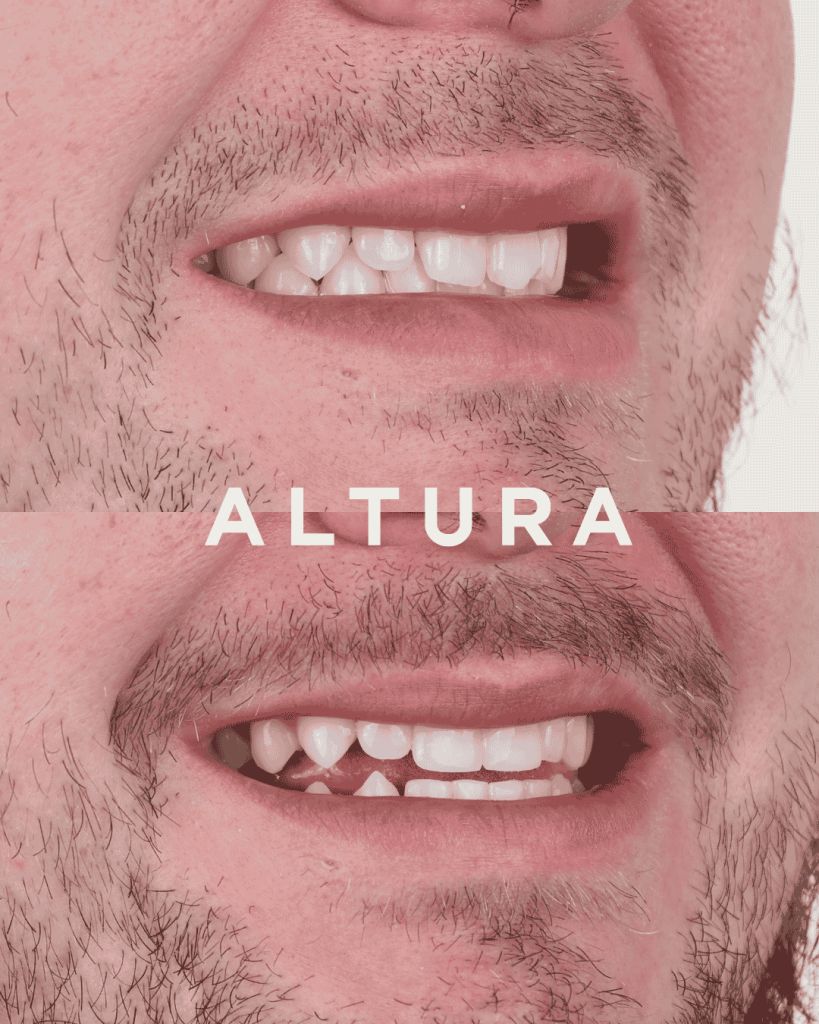
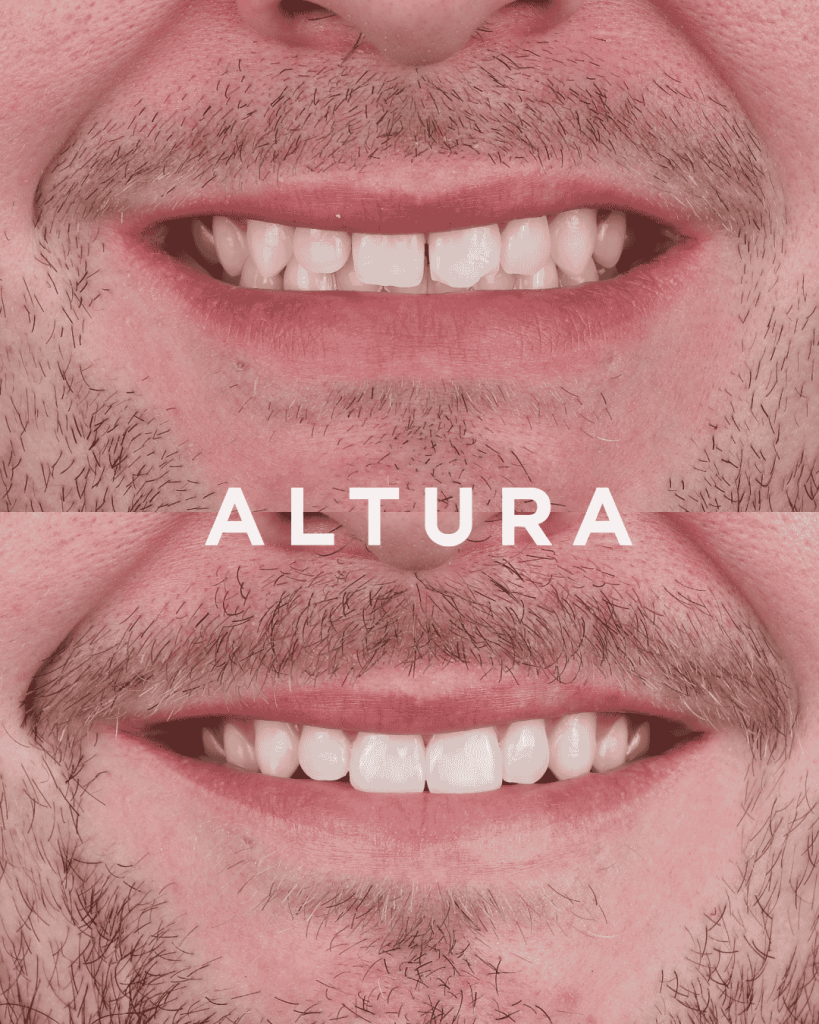
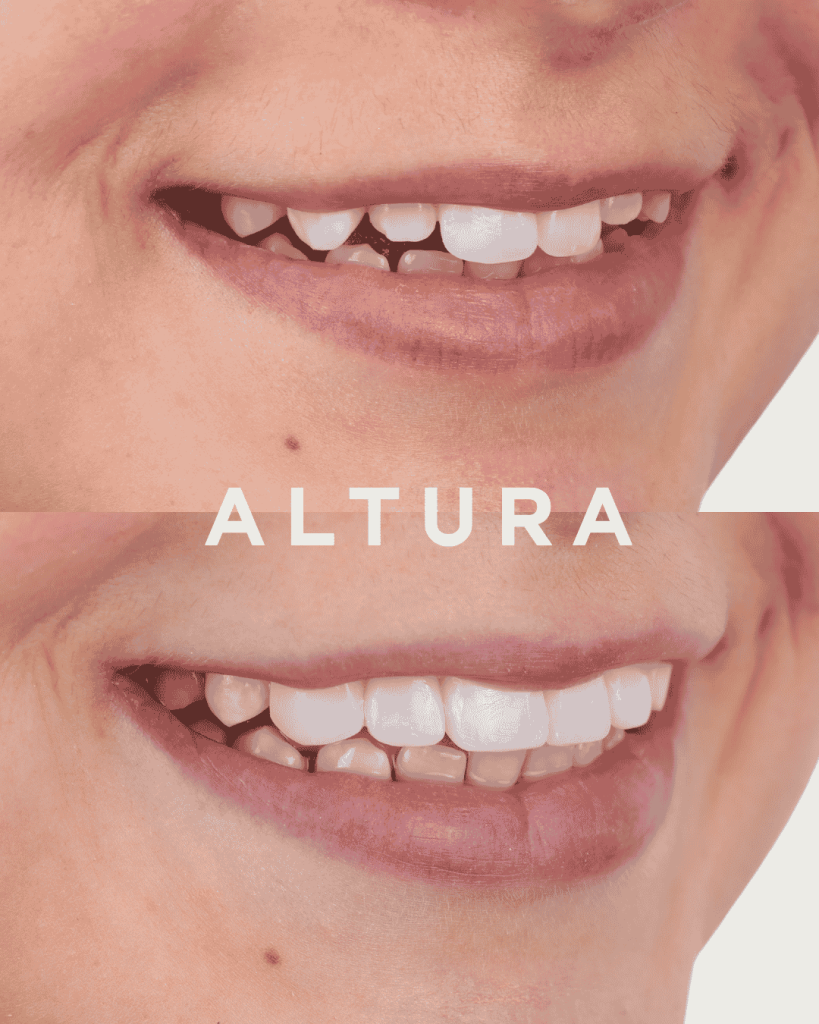
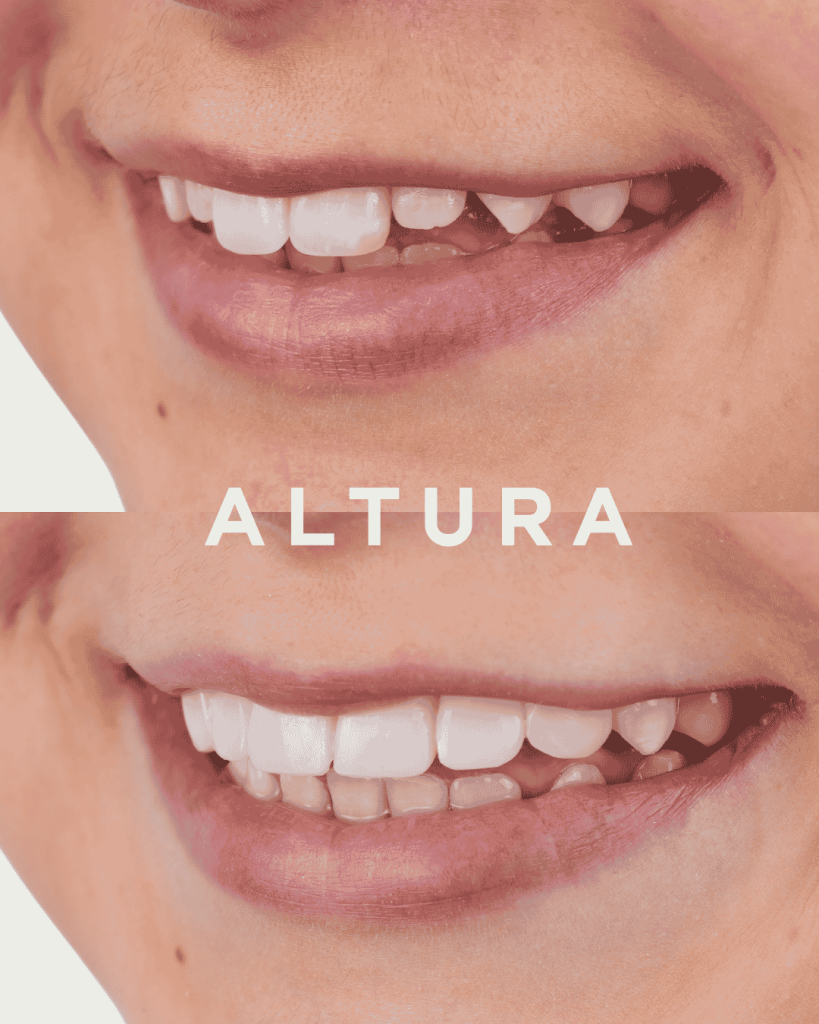

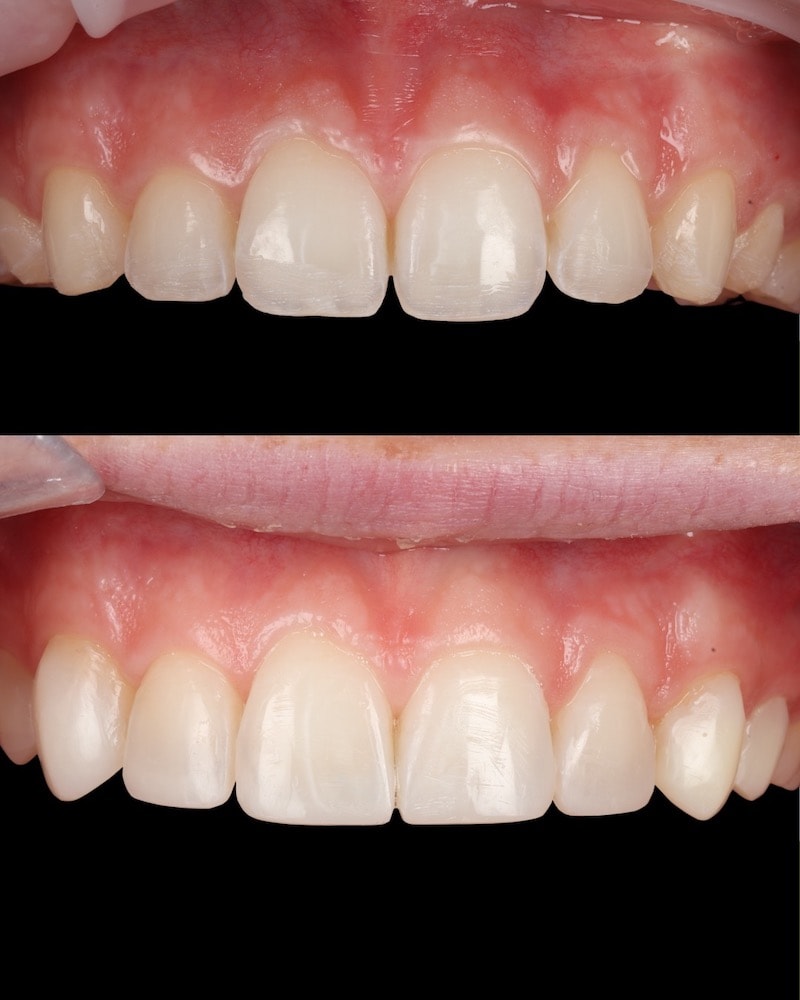
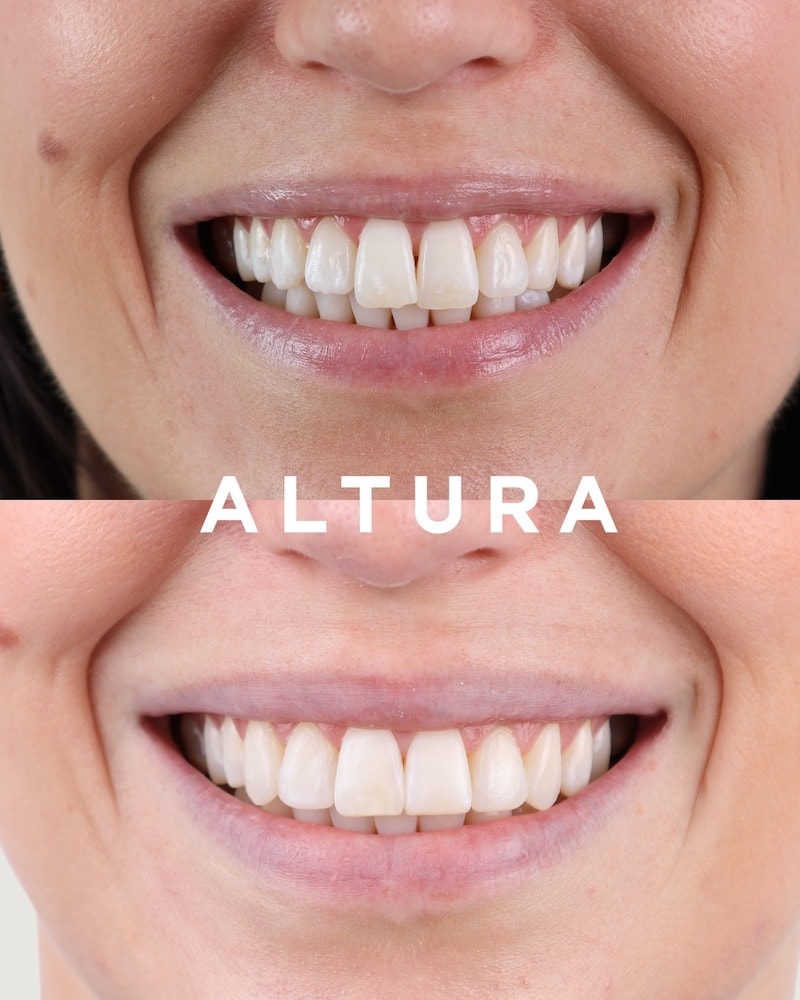
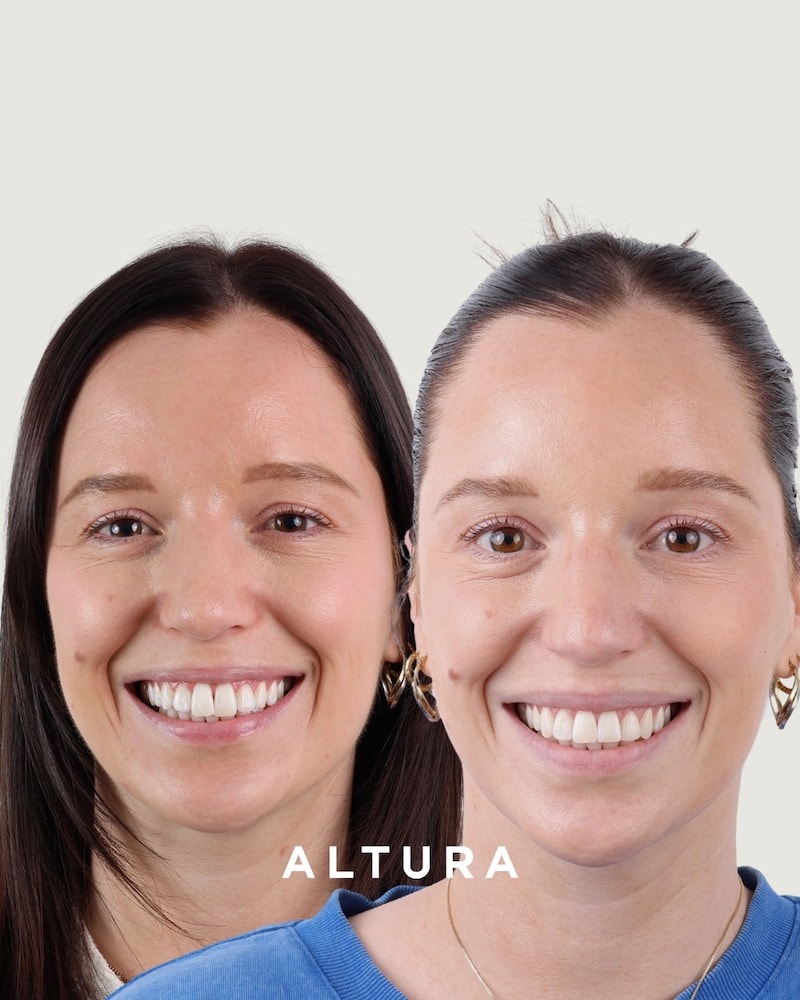

Results vary between patients. A consultation with a registered dental practitioner is required to assess suitability, discuss risks, and set realistic expectations based on your circumstances. For more treatment and risks information, please visit:
https://altura.com.au/treatment-and-risk-information/
The Edge Bonding Process
The edge bonding process begins with a consultation to assess tooth shape, symmetry, and enamel health. The ideal composite shade is selected, the tooth surface cleaned, and resin is carefully layered and sculpted by hand to achieve perfect balance and contour.
Once shaped, the resin is light-cured and polished to a high-gloss, enamel-like finish. A final review allows for any micro-adjustments to ensure the shape, balance, and feel are flawless.
What others are saying about us
Edge Bonding FAQ's
Edge bonding and bonding are essentially the same thing — composite resin applied to the lower 30–40% of teeth to refine edges, corners, chips, or small gaps. Unlike composite veneers, which cover the entire tooth surface, bonding is purely additive and won’t damage natural teeth.
It’s painless, often requiring no anaesthetic, and lasts around 5 years with mild staining or chips easily repaired. If whitening is desired, it should be done at least two weeks before bonding. It can also be combined with whitening, Invisalign, or contouring as part of a broader smile transformation.